

Choosing the right cables for solar projects is easy when you know the basics. No jargon. Just clear steps.
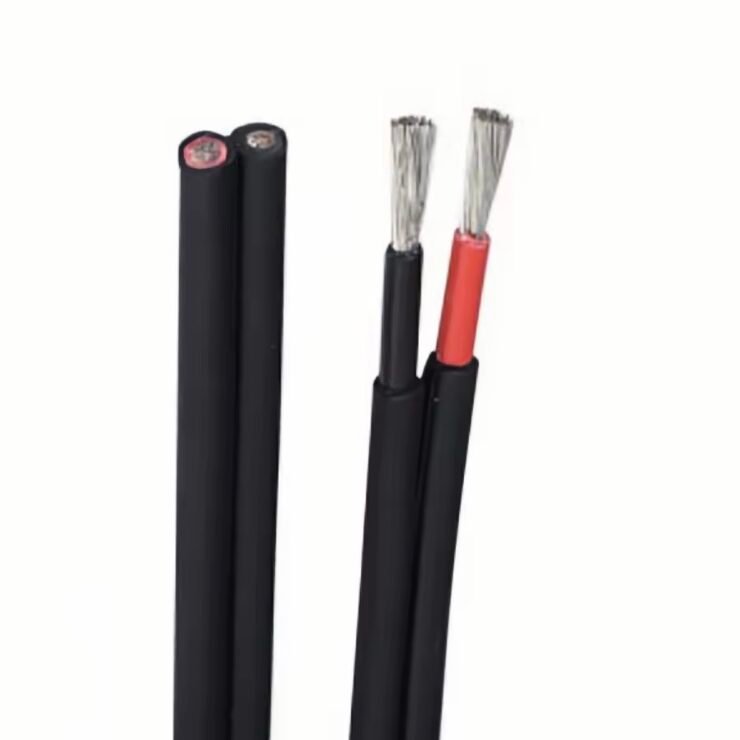
Why Solar Cables Are Different
Regular cables fail fast in sunlight.
Solar cables must survive:
☀️ Sunlight (UV rays)
🌧️ Rain & humidity
🌡️ Hot temperatures
Example: A farm in Texas used regular cables. After 1 year, they cracked and failed. PV cables lasted 5 years.
DC Cables: Connect Panels to Inverter
Use ONLY PV-specific cables.
Why?
✅ UV-resistant outer layer
✅ Handles 90°C heat (regular cables melt at 70°C)
✅ Works in all weather
Common sizes:
- 4mm² (smaller systems)
- 6mm² (larger farms)
Pro tip: Look for “PV1-F” on the cable. This means it’s solar-rated.
AC Cables: Send Power to the Grid
Use standard AC cables with safety checks.
Key needs:
✅ Meets local grid safety rules
✅ 70°C+ temperature rating
✅ UV protection (for outdoor runs)
Pro tip: Ask for UL or TÜV certification. Cheap cables skip this.
3 Simple Steps to Pick Cables
- Know your system size
- Small roof? Use 4mm² DC cables.
- Big farm? Go for 6mm².
- Check the weather
- Hot desert? Pick 90°C rated cables.
- Cold area? Ensure flexibility below -20°C.
- Demand certifications
- Must have: UL, TÜV, or IEC 60332-1 (fire safety).
- Never skip this.
Top 3 Mistakes (Avoid These!)
❌ Using regular cables for DC
→ They crack in sunlight. Cost: $5k+ repairs.
❌ Picking cheapest cables
→ Low cost = short lifespan. Pay more now, save later.
❌ Ignoring cable length
→ Longer cables = more power loss. Keep runs short.
Real fix: For every 100m, power loss adds 1%. Shorter = more energy.
Real Project: 1MW Solar Farm in Australia
What they did right:
- Used PV1-F 6mm² DC cables (90°C rated)
- Chose UL-certified AC cables
- Kept DC runs under 50m
- Checked UV resistance on all cables
Result: 0 cable failures in 4 years.
The One Rule to Remember
For DC: Always use PV-specific cables.
For AC: Use certified standard cables.
Quick Reference Table
| Cable Type | Key Feature | Must-Have |
|---|---|---|
| DC | UV-proof, 90°C rating | PV1-F, UL certified |
| AC | Grid-safe, 70°C+ | UL/TÜV certified |
Final Tip
Ask your supplier:
- “Is this UV-resistant?”
- “What’s the max temperature?”
- “Do you have UL/TÜV?”
Good cables cost 10-15% more. Bad cables cost 10x more in repairs.
Ready to get it right?
→ Check your cable specs before buying.
→ Demand certifications.
→ Save money and avoid headaches.
Keywords: solar cable selection, PV DC cable, AC cable for solar, solar cable guide, UV resistant cable