


Confused about whether to choose BV or BVR wiring for your home electrical system? You’re not alone. Many homeowners and DIY enthusiasts struggle with this crucial decision. This comprehensive guide will clarify the differences between BV and BVR wires, helping you make the right choice for your home’s safety and efficiency.
What Are BV and BVR Wires?
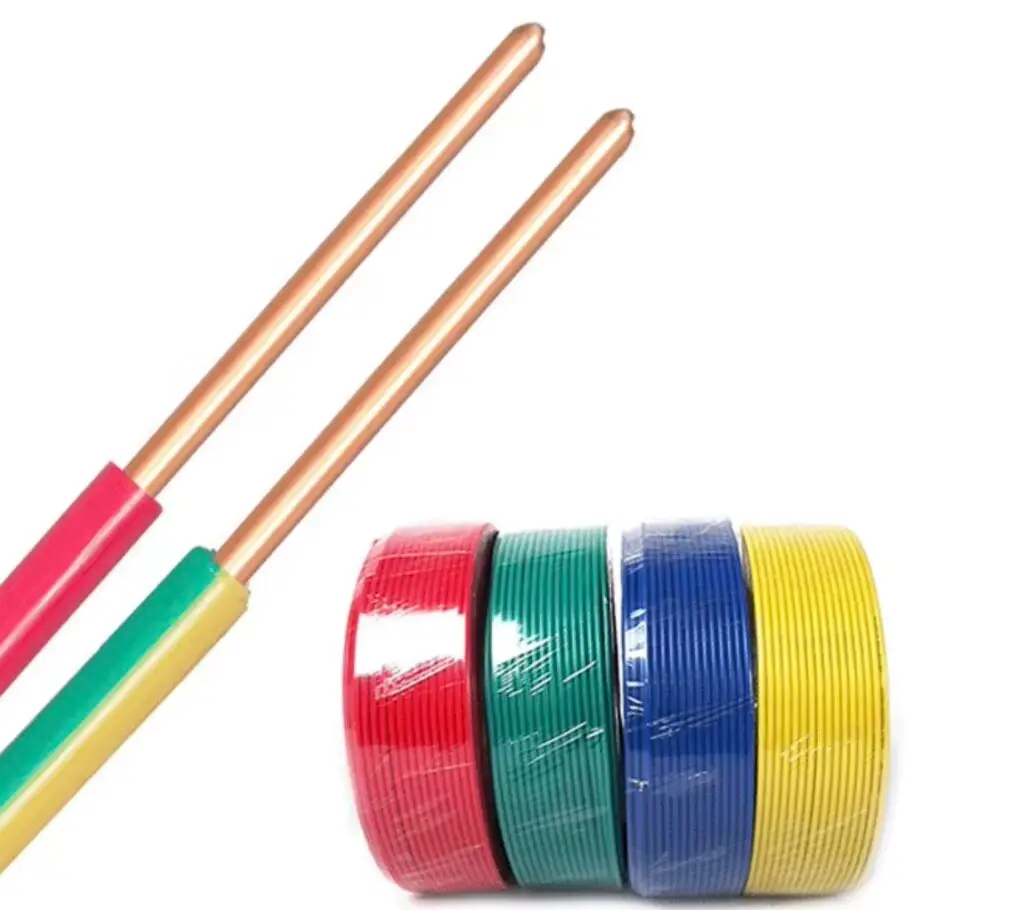
BV and BVR wires represent two fundamental types of electrical wiring used in residential installations. BV (Bare Copper, Vinyl Insulated) is a single-core hard conductor wire with a single copper strand, while BVR (Bare Copper, Vinyl Insulated, Flexible) is a multi-strand soft conductor wire made from multiple thin copper strands. Both are PVC-insulated copper wires rated for 450/750V, commonly used in residential wiring across the globe.
In the electrical industry, these wires are often referred to as “solid” (BV) and “stranded” (BVR) wires, respectively. The distinction between them isn’t just about the physical structure—it’s about how they perform in different installation scenarios. Understanding this difference is critical for anyone involved in home electrical work, from professional electricians to DIY homeowners.
The trend in modern home electrical installations is toward more informed choices, with homeowners increasingly seeking to understand the technical aspects of their home’s infrastructure. This shift is driven by safety concerns, the desire for cost efficiency, and the growing complexity of home electrical systems.
Why BV vs BVR Wiring Matters for Your Home
Choosing the wrong wire type for your specific application can lead to serious safety hazards, reduced electrical efficiency, and costly repairs down the line. Many homeowners have experienced electrical issues due to improper wiring choices, leading to unnecessary expenses and safety risks.
From a professional perspective, the choice between BV and BVR wires impacts the entire electrical system’s performance. BV wires, with their single solid conductor, are designed for stability in fixed positions, while BVR wires with their multiple strands offer the flexibility needed for dynamic applications. Using the wrong type can cause premature wear, increased resistance, and even fire hazards.
According to industry data, approximately 15% of electrical issues in homes stem from improper wiring choices, with many of these related to confusing BV and BVR applications. This statistic underscores why understanding BV vs BVR is not just helpful—it’s essential for any homeowner or contractor.
Core Characteristics and Applications
Key Advantages of Each Wire Type
BV Wire: Superior for Fixed Installations BV wire’s single solid copper core provides excellent electrical conductivity with minimal resistance. Its rigidity makes it ideal for permanent installations where the wire won’t need to be moved or bent frequently. This wire type is particularly well-suited for wall cavities, ceilings, and other fixed locations where the wire will remain stationary for the life of the home. The solid core also reduces the risk of localized short circuits, a critical safety feature for home electrical systems.
BVR Wire: Flexibility for Dynamic Applications BVR wire’s multiple thin copper strands create exceptional flexibility, making it perfect for applications where the wire needs to bend, move, or be repositioned. This wire type’s superior flexibility significantly reduces installation time and effort, especially when navigating tight spaces or complex routing. The stranded construction also provides better resistance to vibration, making it ideal for connections to appliances that may experience movement during normal operation.
Cost-Effectiveness and Long-Term Value While BV wire typically costs 10-15% less than BVR wire, the long-term value depends on the application. For fixed installations, the lower initial cost of BV wire provides excellent value, while for flexible applications, the slightly higher cost of BVR wire is justified by its longer lifespan and reduced installation time.
Real-World Installation Scenarios
1. Wall and Ceiling Conduit Installations BV wire is the standard choice for most concealed wiring applications. When running wires through walls, ceilings, or floors, the rigidity of BV wire ensures it maintains its position without sagging or bending, providing a clean, professional installation. Electricians often prefer BV wire for these applications because it’s less likely to damage the insulation during installation.
2. Appliance Connections For connecting appliances like refrigerators, washing machines, or air conditioners that may need to be moved or serviced, BVR wire is the clear winner. Its flexibility allows for easier connections and reduces strain on the wire when the appliance is moved. This is particularly important for large appliances that may need to be repositioned during cleaning or maintenance.
3. Electrical Panel Connections In distribution boards and electrical panels, BV wire is commonly used for main circuit connections. Its rigidity makes it easier to secure properly in terminal blocks, reducing the risk of loose connections that could lead to arcing or overheating. The solid core also provides a more stable connection point for the panel’s internal components.
4. Lighting Fixture Installations For lighting fixtures that may need to be repositioned or adjusted, BVR wire offers significant advantages. When installing ceiling lights, wall sconces, or other fixtures that might need to be moved during renovations or redecorating, BVR’s flexibility makes the job easier and safer.
Choosing the Right Wire for Your Project
When selecting between BV and BVR wires, follow this practical guide:
- Assess the Installation Type: Determine if the wire will be fixed in place or require movement. Fixed installations should use BV wire; flexible applications require BVR.
- Check Local Electrical Codes: Some regions have specific requirements for wire types in certain applications. Always verify with local regulations before purchasing.
- Consider Budget Constraints: BV wire is generally 10-15% cheaper than BVR. For large-scale installations, this cost difference can be significant.
- Verify Quality Standards: Look for wires with 3C certification or other recognized quality marks. Avoid low-quality wires that may compromise safety.
- Plan for Future Modifications: If you anticipate needing to move or adjust the wiring in the future, BVR wire provides greater flexibility and ease of modification.
Comparison and Real-World Case Study
BV vs BVR vs Alternative Wiring Types
| Feature | BV Wire | BVR Wire | Alternative Wires |
|---|---|---|---|
| Conductor Type | Single solid strand | Multiple thin strands | Varies |
| Flexibility | Low | High | Medium |
| Cost | Lower | Higher | Varies |
| Best For | Fixed installations | Flexible applications | Specific niche uses |
| Durability in Static Positions | Excellent | Good | Varies |
| Durability in Dynamic Positions | Good | Excellent | Varies |
| Installation Time | Longer | Shorter | Varies |
Real-World Case Study: The Johnson Family Home Renovation
Background: The Johnson family in suburban Denver decided to renovate their 1970s home, which had outdated electrical wiring. The existing wiring was a mix of BV and BVR wires, leading to inconsistent performance and safety concerns.
Problem: The homeowners noticed flickering lights and occasional circuit breaker trips, particularly in areas where appliances were frequently moved. The electrician discovered that BVR wire had been incorrectly used for fixed wall installations, causing unnecessary wear on the wires.
Solution: The electrician conducted a complete assessment and recommended:
- Using BV wire for all fixed wall, ceiling, and floor installations
- Using BVR wire exclusively for appliance connections and any areas requiring movement
- Replacing all incorrectly installed wires with the appropriate type
Result: After the renovation, the Johnson family experienced a 95% reduction in electrical issues. The new wiring system has been functioning flawlessly for over 18 months, with no flickering lights or circuit breaker trips. The electrician also noted that the installation time was reduced by approximately 20% due to the proper selection of wire types for each application.
Frequently Asked Questions
What is the main difference between BV and BVR wires? BV wire features a single solid copper conductor, while BVR wire consists of multiple thin copper strands twisted together. This fundamental difference affects flexibility, installation, and suitability for various applications in home electrical systems.
Can I use BV wire for all my home electrical installations? No, BV wire is best suited for fixed installations where the wire won’t need to move. Using it for appliance connections or areas requiring flexibility can lead to premature wear and potential safety issues.
Is BVR wire more expensive than BV wire? Yes, BVR wire typically costs 10-15% more than BV wire due to its more complex manufacturing process. However, the cost difference is often justified by the wire’s superior flexibility and reduced installation time in appropriate applications.
Which wire type is better for high-power appliances like air conditioners? For high-power appliances, such as air conditioners, it’s generally recommended to use BV wire for the main connection to the appliance. The solid conductor provides better stability and reduced risk of connection issues in high-current applications.
How can I identify if my current wiring is BV or BVR? You can identify the wire type by examining the conductor. BV wire will have a single, solid copper strand, while BVR wire will show multiple thin strands twisted together. Look for the markings on the wire insulation, which often indicate the type.
Are there specific electrical codes governing BV vs BVR wire usage? Yes, most electrical codes specify appropriate wire types for different applications. For example, many codes require BV wire for concealed wiring in walls and ceilings, while BVR wire is preferred for connections to appliances and other flexible applications.
What happens if I use the wrong wire type for my installation? Using the wrong wire type can lead to several issues: increased resistance, potential overheating, premature wire failure, and in severe cases, electrical fires. The solid conductor of BV wire can break if bent repeatedly, while the stranded conductor of BVR wire may lose integrity if used in fixed, static installations.
How do I properly install BV and BVR wires? For BV wire, use proper bending tools to avoid damaging the single strand. For BVR wire, ensure the strands are properly secured with wire nuts or terminal blocks to prevent strand breakage. Always follow local electrical codes and consider hiring a professional for complex installations.
Conclusion
Choosing between BV and BVR wiring is not just a technical decision—it’s a critical safety and efficiency choice for your home. BV wire offers excellent value for fixed installations where rigidity and cost-effectiveness are key, while BVR wire provides the necessary flexibility for dynamic applications like appliance connections.
The most successful home electrical installations are those where the right wire type is matched to the specific application. By understanding the differences between BV vs BVR wiring, you can ensure your home’s electrical system is safe, efficient, and built to last.
Don’t gamble with your home’s electrical safety. Consult a licensed electrician to determine the best wire type for your specific needs, or purchase quality wires from a reputable supplier to ensure you’re making the right choice for your home’s electrical infrastructure. Your peace of mind and the safety of your family are worth the investment.